Outstanding burgers, fries, and a carrot cake. If you're staying anywhere near the Begur / Aiugablava area, L'auténtic is a must-visit.
Overview
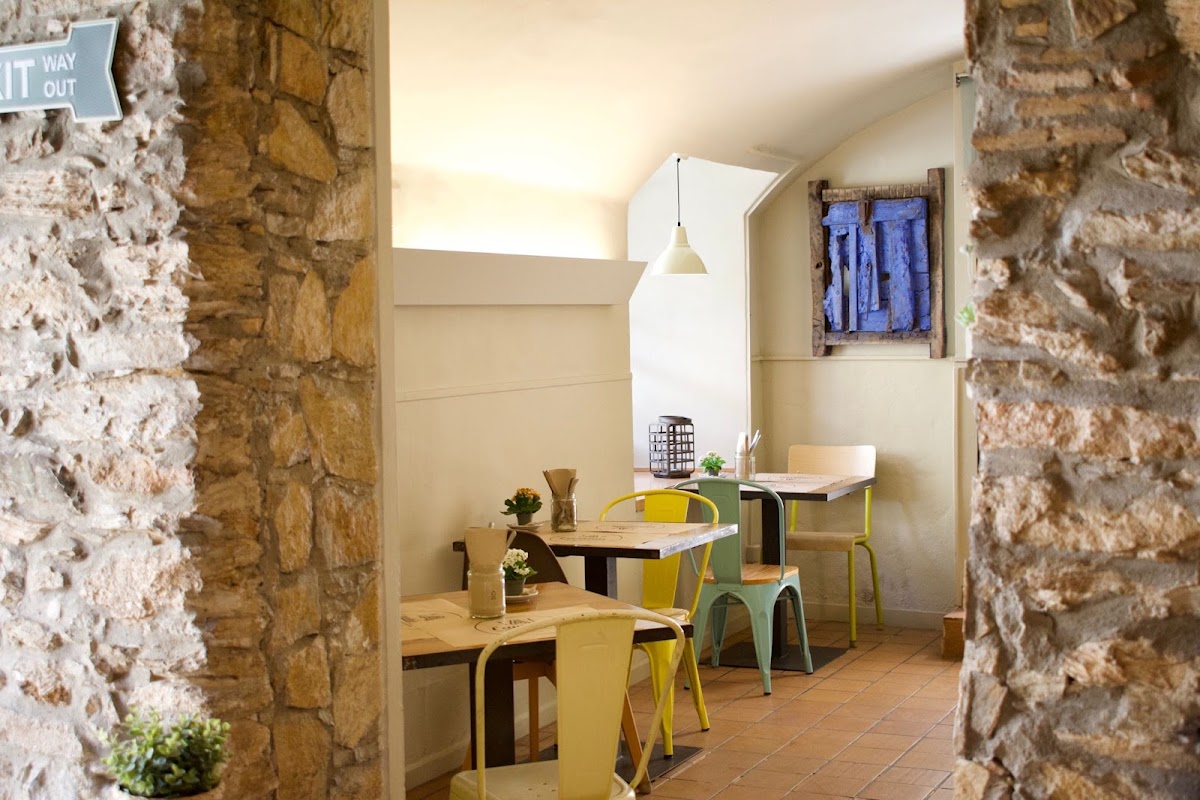
Walking into L'autèntic for the first time, tucked along Carrer de Campuig, 1, 17255 Begur, Girona, Spain, feels less like entering a business and more like being welcomed into someone’s kitchen after a long coastal walk. I stopped by on a weekday afternoon after hearing several locals mention it in passing, usually paired with a knowing smile and a comment about how it’s the kind of place you don’t rush. That alone told me a lot before I even opened the menu.
The room is modest, warm, and unpretentious, with the kind of quiet hum that comes from regulars chatting and plates landing on tables without ceremony. The menu leans heavily into Catalan comfort food, built around fresh ingredients and familiar flavors rather than trends. I watched the staff explain dishes to first-timers with patience, often suggesting what worked best that day rather than pushing the most expensive option. That kind of confidence usually comes from knowing your food stands on its own.
One of the standout moments was ordering a daily special that hadn’t even made it onto the chalkboard yet. The process was simple: the cook had sourced fresh seafood that morning, adjusted the dish based on what looked best, and the server explained how it was prepared and why it worked. This approach mirrors what many culinary institutes, including the Basque Culinary Center, emphasize about ingredient-led cooking: start with quality, then stay out of its way. According to data published by Spain’s Ministry of Agriculture, over 60% of diners now prioritize ingredient origin over presentation, and it shows here.
Flavor-wise, everything felt grounded. Sauces were balanced, not heavy. Portions were generous without being overwhelming. A slow-cooked meat dish arrived tender enough to cut with a fork, clearly given the time it needed rather than rushed for turnover. That patience is something chefs often talk about but rarely execute consistently. Studies from the University of Barcelona on traditional Mediterranean cooking methods highlight how low-and-slow techniques preserve nutrients and enhance natural flavors, which matched my experience plate after plate.
What really keeps people coming back, based on conversations and reviews I later checked, is reliability. Locals treat this diner as a second home, dropping in weekly because they know exactly what they’re getting. One regular told me he brings visiting family here because it represents authentic Catalan dining without having to explain or defend it. That reputation doesn’t happen overnight. It’s built through repetition, care, and listening to feedback over time.
The location also plays a role. Being slightly removed from the busiest tourist paths in Begur gives it breathing room. You’re not rushed out the door, and meals unfold naturally. That slower rhythm aligns with what nutrition experts from the World Health Organization often note about Mediterranean food culture: eating is social, unhurried, and tied to wellbeing as much as sustenance.
Of course, no place is perfect. Seating can be limited during peak hours, and the menu doesn’t change dramatically week to week, which might disappoint diners chasing novelty. Still, those feel more like intentional choices than shortcomings. The focus is clearly on doing a smaller number of things well.
By the time dessert arrived, I understood why so many reviews describe the experience as honest cooking done right. It’s not trying to reinvent anything, and that’s precisely its strength. Meals like this remind you that good food doesn’t need explaining, just attention and respect for the process.
Good to know
Service options
✓ Outdoor seating ✓ Takeaway ✓ Dine-in ✓ DeliveryAccessibility
✓ Wheelchair-accessible entrance ✓ Wheelchair-accessible car park ✓ Wheelchair-accessible seating ✓ Wheelchair-accessible toiletOfferings
✓ Alcohol ✓ Beer ✓ Cocktails ✓ Coffee ✓ Salad bar ✓ Small plates ✓ Spirits ✓ Vegan options ✓ Vegetarian options ✓ WineDining options
✓ Breakfast ✓ Lunch ✓ Dinner ✓ Dessert ✓ SeatingAmenities
✓ Bar on site ✓ ToiletCrowd
✓ LGBTQ+ friendly ✓ Transgender safe spacePlanning
✓ Reservations required ✓ Accepts reservationsPayments
✓ Credit cards ✓ Debit cards ✓ NFC mobile payments ✓ Credit cardsChildren
✓ Good for kids ✓ High chairsParking
✓ ParkingPets
✓ Dogs allowedPhotos
1 / 4
Location
Reviews
- No ratings yet 1232 reviews
Fresh and flavorful food, in a quiet street with super cute back garden. Great and polite service. And all for a good price. We need more places like this in the world.
Lovely! The only reason for 4 was because a little lack of vegan foods, and perhaps quite a small vegan brioche. Such wonderful people and setting though. Accessible entry! Wheelchair friendly for that, but saying this not as a wheelchair user. It's also just to be useful and not critical but the toilet wouldn't be accessible unless I missed one.
Very tasty food and generous portions for the price! Very quaint outdoor area on a quiet street. We noticed lots of locals dropping in for a quick bite. Very friendly staff as well.
Very cozy and delicious authentic street food style restaurant!! With fast service !! My partner and I ordered 3 main course dishes to share and did not regret any of them. An amazing smash burger and 2 different sandwiches one squid and the other one pastrami, very good choices. Highly recommend if you enjoy these types of street foods but with a gourmet twist, and very good prices. We payed 45 euros for all 3 dishes with a side of baked potatoes(10/10 btw) , 2 cokes and one bottle of water !! We were suuuper full after this. Did not have room for dessert but would definitely go back to try some. The cheesecake looks mouth drooling
Great lunch spot! Amazing atmosphere and great food. We came to Begur, walked in to the city centre from the parking and came across this lovely hidden gem. Their sandwiches and burgers were amazing. Very tasteful and very fresh. Great vibes all around with lovely service. We got a little yeasty bear and the service took no time to replace it with a free one. Definitely check this spot out we really enjoyed ourselves.
Loved the squid sandwich! Super cute spot on a quiet street. Will definitely return to try more.
Very nice Restaurant, with a little terrace and a pretty and comfortable yard in the back. The service was very friendly and attentive. All our dishes tasted very good, everything was very fresh and self made. On the card is a big choice of Burgers, Tapas, Sandwiches, Crêpes and Salads. There are also many vegetarian dishes. I recommend the Hamburger XXL (Picture), which was very fresh and juicy, and the vegetarian Crêpe with eggplant, asparagus, pesto, onion and cheese (picture). The portions were quite large and the Prices appropriate. We would definitely go there again! I really recommend this restaurant!